Moisture Barrier
Low water vapour transmission limits moisture reaching the cell surface and metallisation.

POE Film Solar encapsulant engineered for reliable photovoltaic module performance — high electrical insulation, low moisture ingress and stable optical clarity.
Get a QuoteMaterial science applied to photovoltaic encapsulation.
At Bouling Chemical Co., Limited, we develop and manufacture POE Solar Film for photovoltaic encapsulation. Our work centres on polymer formulation, film forming and batch-to-batch control — the factors that determine how consistently a module performs over its service life. Our technical team supports customers from material selection through lamination trials, and each production lot is released against defined optical, electrical and mechanical criteria.
A polyolefin elastomer encapsulant for module construction.
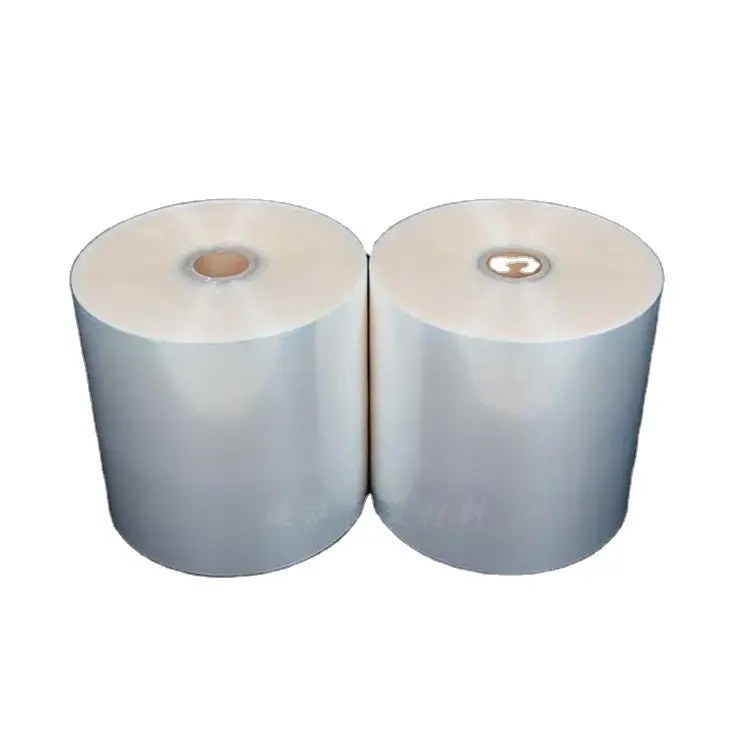
POE Solar Film is a transparent polyolefin elastomer film used to encapsulate photovoltaic cells. During lamination it flows around the cell surfaces and cross-links into a stable, insulating layer that bonds glass, cells and backsheet into a single durable assembly.
Compared with conventional EVA film, POE does not release acetic acid as it cures and offers substantially higher volume resistivity. That combination mitigates two long-term module failure routes: corrosion of metallisation and potential-induced degradation.
Key characteristics of our POE Film Solar encapsulant.
| Property | Value |
|---|---|
| Base polymer | Polyolefin elastomer (POE) |
| Form | Transparent, flexible film |
| Thickness | 0.30–0.80 mm |
| Light transmittance | ≥90% |
| Volume resistivity | ≥1×10¹⁵ Ω·cm |
| Water vapour transmission | ≤5 g/m²·24h |
| Curing behaviour | Thermally cross-linked |
| PID behaviour | PID resistant |
Where POE Solar Film delivers encapsulation value.
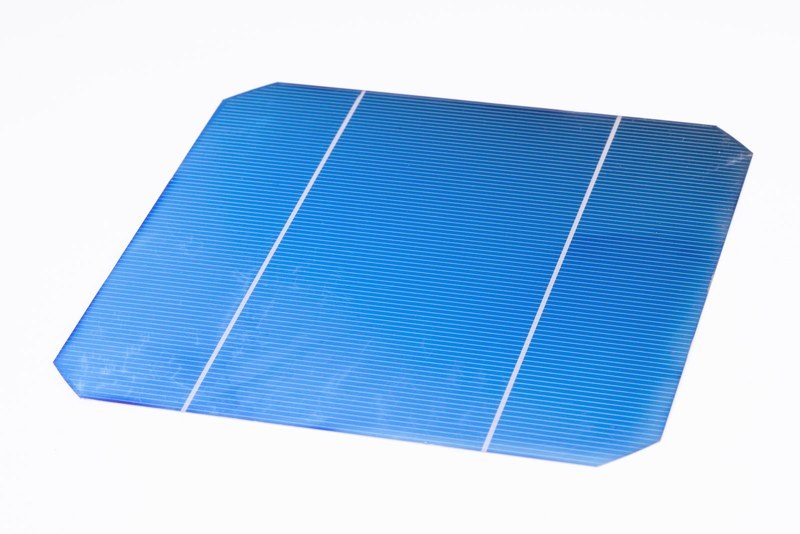
High transmittance and insulation for conventional wafer-based assemblies.
Low water vapour transmission helps protect rear-side cell surfaces.
Stable optical clarity across a range of laminate constructions.
Insulating, acid-free encapsulation for architecturally integrated glass.
Encapsulation performance you can specify.
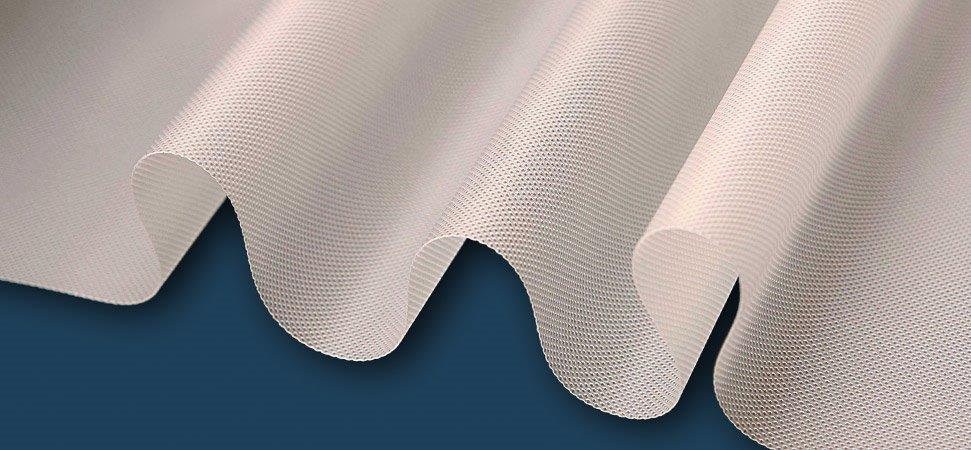
Selecting an encapsulant is a technical decision. Our POE Solar Film is defined by measurable characteristics — thickness, transmittance, resistivity and moisture behaviour — so you can qualify it against your own module design rather than relying on generic descriptions.
Four properties that matter across a module lifetime.
A polyolefin elastomer backbone gives POE Film Solar its combination of flexibility, insulation and resistance to hydrolysis, without the acetic acid released by EVA.
Low water vapour transmission limits moisture reaching the cell surface and metallisation.
The cross-linked structure stays dimensionally stable under module operating temperatures.
High transmittance preserves the light reaching the cells and supports module power output.
We assist with lamination trials so the film is qualified in your own process window.
Discuss POE Solar Film for your module line.